A herniated disc in the lower back is one of those problems that can start quietly and then suddenly take over your day. Recognizing the early signs can help you act sooner, get the right Back Pain Treatment, and prevent long-term nerve damage.
What a Herniated Disc Is
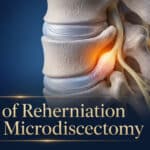
Your spine is made up of bones (vertebrae) with soft discs between them that act like shock absorbers. Each disc has a tougher outer layer and a softer gel-like centre. When the outer layer tears and some of the inner material pushes out, you have a herniated disc.
In the lower back (the lumbar spine), this bulging or leaking material can press on nearby nerves. That pressure is what leads to the classic herniated disc in lower back symptoms, including pain, tingling, and weakness.
Core Symptoms of a Herniated Lumbar Disc
While every person is different, several symptoms show up again and again with lumbar disc herniation.
Lower Back Pain
The first and most common sign is often lower back pain. It may start as a dull ache and then turn into sharp or burning pain. Many people notice that the pain gets worse when they sit for long periods, bend forward, lift something heavy, or twist suddenly.
Sciatica Symptoms

A herniated disc in the lower back frequently causes sciatica. This is a type of nerve pain that travels from your lower back through your buttock and down the back of your leg. It can feel like shooting, burning, or electric shock-like pain.
Depending on which nerve is irritated (L4, L5, or S1), the pain may travel to different areas of the leg or foot. Some people feel it only on one side, while others may feel pain on both sides.
Muscle Weakness
When the nerve that controls your leg muscles is compressed, you may notice weakness. This might look like difficulty lifting the front of your foot (foot drop), trouble climbing stairs, or feeling that your leg is “giving way” under you. Weakness is a sign that the nerve is not functioning properly and should never be ignored.
Sensory Changes and Neurological Red Flags
Herniated disc in lower back symptoms are not just about pain. Changes in sensation and reflexes are important clues that nerves are under pressure.
Numbness and Tingling
Many people notice pins-and-needles sensations, numbness, or a “falling asleep” feeling in the buttocks, leg, or foot. The exact pattern often matches the irritated nerve root. For example, an L5 disc problem might cause symptoms on the top of the foot, while an S1 issue might affect the sole or outside of the foot.
Loss of Reflexes
Compressed nerves can also change how your reflexes respond. A healthcare provider may notice that your knee or ankle reflex is reduced or absent on one side. This is another sign that the nerve is not communicating properly with the spinal cord.

Emergency Symptoms (Red Flags)
Some symptoms suggest a more serious condition called cauda equina syndrome, which requires urgent medical attention. These include:
- Numbness in the area that would touch a saddle (inner thighs, buttocks, groin)
- Sudden loss of bladder or bowel control
- Severe, rapidly worsening weakness in both legs
If any of these appear, it is critical to seek emergency care right away.
What Triggers or Worsens Symptoms
Certain movements and habits can make herniated disc in lower back symptoms worse. Common triggers include:
- Bending forward, especially with weight in your hands
- Lifting heavy objects with poor technique
- Prolonged sitting at a desk, in a car, or on a couch
- Sudden twisting or awkward movements
- Long-term poor posture or weak core muscles
Age-related wear and tear, known as degenerative disc disease, can also make the discs more likely to herniate. While you cannot stop aging, strengthening your core, staying active, and using good body mechanics can reduce your risk.
How Symptoms Differ from a Muscle Strain
Back pain is common, and not every episode means you have a herniated disc. Muscle strain and disc herniation can feel similar at first, but there are key differences.
Muscle strain often causes soreness that stays in the back, feels better with rest, and usually improves within a couple of weeks. There is typically no numbness, tingling, or significant leg weakness.
Herniated discs, on the other hand, tend to cause sharp or radiating pain that travels into the leg, along with neurological symptoms like tingling, numbness, or weakness. Coughing, sneezing, or straining can sharply increase the pain because they raise pressure in the spine.
Understanding these differences helps you know when simple rest is enough and when you should seek professional Back Pain Treatment.
When to See a Healthcare Professional
You should speak with a healthcare professional if:
- Your lower back pain lasts longer than a couple of weeks
- Pain radiates into your leg or foot
- You notice numbness, tingling, or weakness
- Pain is severe enough to limit your daily activities or sleep
Early assessment can prevent long-term damage to the nerves and help you find an effective treatment plan, which may include physiotherapy, osteopathy, chiropractic care, massage therapy, exercise, and lifestyle changes.
How Our Clinic Can Help
At Capilano Physiotherapy in North Vancouver, we see patients every day who are dealing with herniated disc in lower back symptoms and do not know where to start. Our team focuses on accurate assessment, hands-on care, and personalized Back Pain Treatment designed around your daily life and goals.
Your plan may include targeted exercises to reduce nerve pressure, manual therapy to improve joint and soft tissue mobility, acupuncture, and education to help you move safely and confidently again. We also show you how to protect your spine at work, at home, and during your favourite activities.
If your back pain is affecting the way you sit, walk, sleep, or enjoy life, you do not have to ignore it or get used to it. Getting the right help at the right time can make the difference between a short-term setback and a long-term problem.